
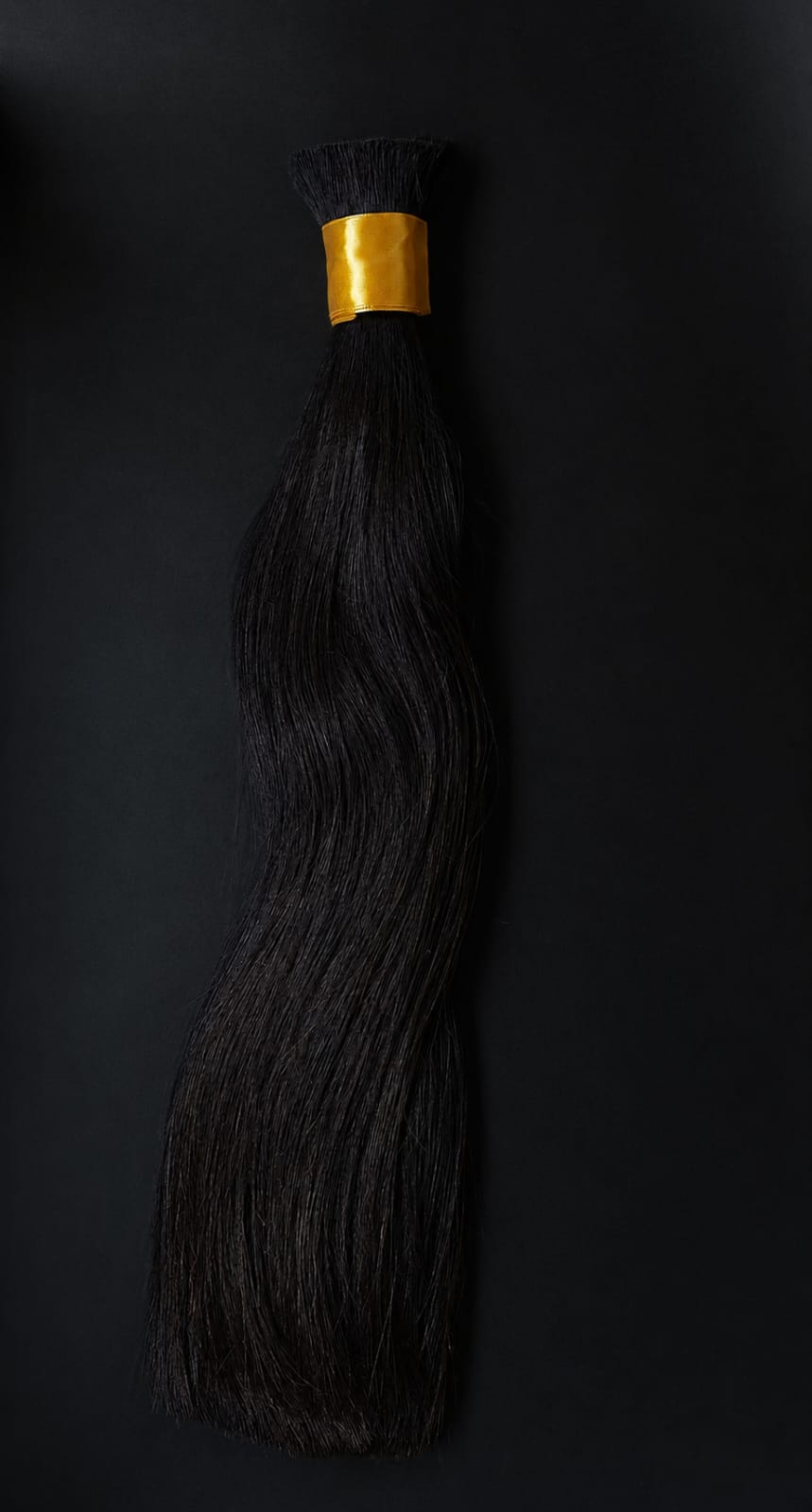
Filipino vs Vietnamese Hair: An Honest Comparison for Buyers
Filipino vs Vietnamese hair compared honestly: texture, thickness, processing, supply, price and risks — and why processing history matters more than the country on the label.
Filipino or Vietnamese hair? It is one of the most common questions in hair-buying groups, and most answers online come from sellers of one origin praising their own product. This guide compares the two as honestly as we can — what buyers typically report about each, where the real risks are, and why the processing history of a bundle matters more than its passport.
A note on transparency: Imperial Hair Group sells Filipino hair. We have tried to keep this comparison fair, and we say clearly where Vietnamese hair has advantages.
Why Buyers Compare Filipino and Vietnamese Hair
Both origins are known for naturally dark hair that works well for extensions and wigs, and both are sold as "raw" and "virgin" by vendors around the world. Vietnam has a large, well-organised hair export industry with many factories and wide product ranges. The Philippines has a smaller trade, with hair often collected locally and sold in smaller lots. Buyers compare them because they look similar in photos — but they can behave differently once installed.
Texture and Thickness
Every donor is different, so these are tendencies reported by buyers, not rules:
• Filipino hair is commonly described as thick, with good body and a natural texture ranging from straight to slightly wavy.
• Vietnamese hair is commonly described as smooth and silky, and is very often sold as "bone straight" — very flat, sleek straight hair.
• Both are usually natural black to dark brown.
Be careful with "bone straight": a very flat, glossy straightness along the whole length can be natural, but it can also be the result of steaming or chemical straightening. Ask how the texture was achieved.
Processing: Where the Real Difference Is
The biggest differences between bundles usually come from processing, not from the country:
• The Vietnamese hair market offers a very wide range of processed products — steamed textures, straightened hair, coloured hair, blonde bundles — alongside unprocessed raw hair. That variety is an advantage if you want ready-made textures and colours, and a risk if a processed product is sold as raw.
• In the Philippines, the most common risk is rebonding (chemical straightening), which is popular with donors. Rebonded hair is no longer virgin, even if it was never dyed.
For both origins, the rule is the same: ask the vendor to list in writing every step applied to the hair after it was cut.
Supply, Range and Price
• Vietnam: large volumes, many factories, many lengths, textures and colours available, often with consistent supply for bigger orders.
• Philippines: smaller volumes, more limited range, often natural colours and textures only. Long, heavy, unprocessed lots can be harder to find.
Prices vary widely for both and depend on length, weight, drawing (single or double) and processing. A price far below the market for long, double drawn, unprocessed hair is a warning sign for either origin.
Filipino vs Vietnamese Hair at a Glance
Texture: Filipino — straight to slightly wavy, thick; Vietnamese — often silky, frequently sold bone straight.
Colour: both — usually natural black to dark brown; Vietnamese — wider range of coloured and blonde products.
Range: Filipino — smaller, mostly natural; Vietnamese — very wide.
Main risk: Filipino — rebonded hair sold as virgin; Vietnamese — steamed or processed hair sold as raw.
Best for: Filipino — buyers who want natural, unprocessed hair with body; Vietnamese — buyers who need volume, consistency or ready-made textures and colours.
Can You Tell the Origin by Looking at the Hair?
Honestly, no. There is no reliable visual test that tells Filipino and Vietnamese hair apart, and mixed lots exist in the trade. What you can verify is quality and processing: length, weight, ends, cuticle, smell after washing and how the texture behaves. Choose a vendor who explains how and where the hair was collected, and start with a sample.
Which Should You Choose?
• If you need large, repeat volumes, many textures or coloured hair, the Vietnamese market will give you more options.
• If you want natural, unprocessed hair with thickness and body, and you value a short chain from donor to buyer, Filipino hair is a strong choice.
• In both cases, an unprocessed, double drawn bundle from a transparent vendor will outperform a chemically treated one from any country.
Filipino Hair from Imperial Hair Group
Imperial Hair Group is based in Iloilo in the Visayas region of the Philippines. Our collection is double drawn Filipino virgin hair that has never been chemically processed — no dye, no perm and no rebonding — and every listing states the exact length and weight of the bundle.
We hold stock in the Philippines and in Poland (EU), with shipping to the USA directly from the Philippines and within Europe from Poland. Prices are quoted per order through "Request a Quote".
Browse the collection: https://imperialhairgroup.com/collection
Related guides on our blog: "Filipino Hair: A Buyer's Guide to Raw and Virgin Filipino Hair", "Raw Filipino Hair Vendors: How to Choose a Supplier You Can Trust" and "Double Drawn Hair vs Single Drawn Hair: What Buyers Should Know".
Frequently Asked Questions
Is Filipino hair better than Vietnamese hair? Neither is better in every case. Filipino hair is often chosen for natural thickness and body; Vietnamese hair for range, volume and silky straight textures. Processing history matters more than origin.
Is Vietnamese hair always processed? No. Vietnam also supplies unprocessed raw hair. Because processed products are common, ask exactly what has been done to the hair.
Why is bone straight hair so popular? It gives a very sleek finish. Check whether the straightness is natural or the result of steaming or chemical treatment.
Can Filipino and Vietnamese hair be mixed in one install? They can look similar, but texture and behaviour may differ. For the most consistent result, use bundles from the same lot.